
Who is this post for?
Who am I?
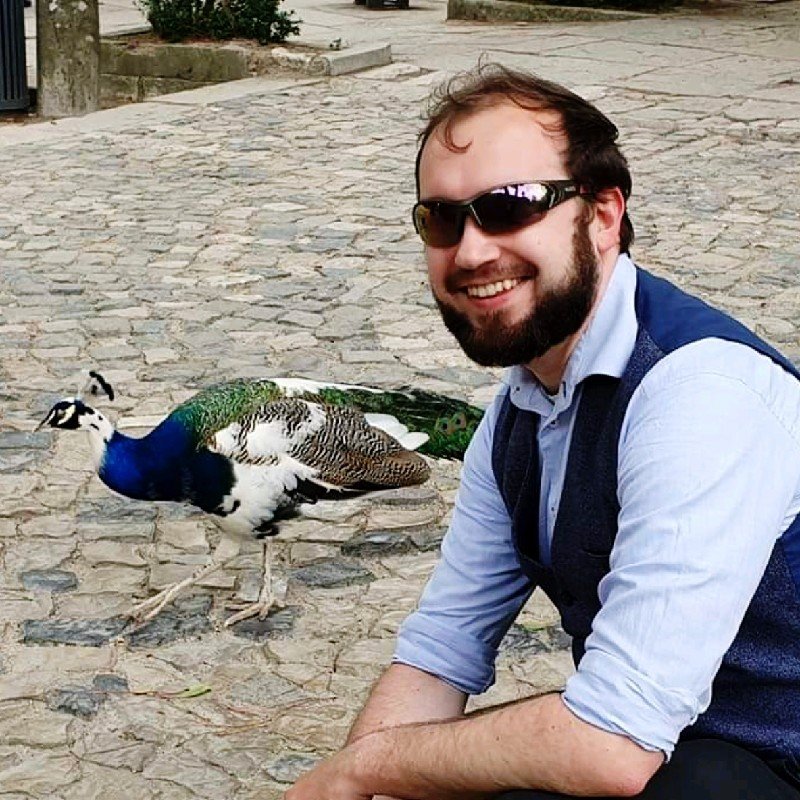
My name is Jarek and I’m an indie developer from Poland, living in Spain.
I had one simple dream – to create my own brand with cool and fun products (apps, books, games, etc.) for the whole world to enjoy and eventually pay me for it.
I want to share my story with as many practical details as I can. I want to share my successes (not so much yet) and my failures (more than I’d like). What do I want to achieve with this post other than being able to tell my story? Well, I hope I will inspire you to start your own dream or keep going with your ongoing dream that maybe is not yet so successful like mine. But just to be clear from the beginning:
“I am not successful (yet). I am not rich (yet). My apps haven’t been downloaded by millions of people (yet).”
But I will keep going and the experiences I had so far – I believe are worth sharing and learning from.
My journey so far

In the moment of writing this post, I am a 36 year old kid with a dream. I was always involved in IT and gaming. My first very first IT skill was learning Macromedia Flash 2d animations (if you have +30 years you might remember this beautiful piece of software).
Then I experimented with 2d and 3d graphics, then I dabbled a bit in video and sound editing, then I moved on to programming in Java, C#, Angular, Flutter(dart), then I did some college degree on IT in general, then I worked as a software developer, then as business analyst, then as product owner and lately I’ve been into people management… I’m writing this not to brag (well, maybe a bit), but I want to highlight one important point:
“Keep experimenting and trying new things, because you never know when you will find them useful”
2d graphics helped me create my own assets for my first games. Video editing helped me with preparing marketing materials. Programming (obviously) helped me get started with app and game development. Being a product owner helped me shape how my products should look like. A true fact is that I am not an expert in any of those skills above, though I might feel the strongest as a backend developer.
There are tons of geniuses out there much better than me. The thing is, usually these geniuses stay in some comfortable jobs and never try to create anything for themselves out of many different fears… Let’s explore that topic as the next step.
Typical fears of starting your own thing
I meet so many talented people during my day-job and outside of it. They are 100x smarter than me, can code with their eyes closed or create the most beautiful art… but almost none of them is rich and successful. They are all doing ‘fine’. Have a stable job, have a good salary, go to vacations 2-3 times a year and spoil their children with latest smartphones and gaming consoles. For some, that’s enough of a good life. For me, it’s like being in prison.
What if that talented person gets fired for whatever reason? What if they become too old and some other youngster comes around and works 10-times faster? We all get older and our skills fade with time, not to mention how our capacity to learn and grow gets decreased. I cannot imagine myself being a 50 year old software developer being ‘trapped’ in a corporation that keeps me because I’m senior, but at any day I can get fired because I will cost too much (sorry for the ageism though, but yes, I’ve seen this happen many times, it’s quite sad).
Which company these days would so easily hire a 50 year old software developer when they have 20-year old vibe coders doing more or less the same – we know it’s not the same quality of work, but to a non-technical manager it’s a decision between a young energetic 20-something-year old ’30k EUR/year developer’ with fancy CV, or a ‘120k EUR/year experienced 50-year old software developer’. Most managers will pick the youngster unfortunately. I try to live according to this vision:
“Companies (especially corporations) are not your friends, you are a ‘cost’ vs ‘revenue’ to them. If the balance goes too much into ‘cost’, then you become an ‘optimization opportunity’.”
But coming to the main point of this sub-chapter, even people that are aware how things work in the brutal world of companies, they still choose to remain silent and go on with their daily routine. What fears I had when I was thinking about starting my own business:
I need a legal company to even do business
that’s not true. In many countries, you can start of as an individual and wait with creating a legal entity up to some point of earnings (which is usually the minimum average salary of the country per month or having regular paychecks). In my case I haven’t even reach that limit yet, but I will attempt to sell digital products and subscriptions soon. The thing is, once you reach the limit that forces you to start a company – you will already be successful enough to really go ‘all-in’ for it.
Legal stuff is scary, what if someone sues me?
that’s a valid concern if you are reckless. If you create an app that tells people to jump out of the window for fun then yes, you might get sued. But these days, there are so many portals that can help you create terms and conditions (I recommend Termly) and you can protect yourself quite easily by creating a good T&C document. Furthermore, all the annoying stuff you see in modern website about cookies, confirmations, consents and so on – you should do the same. It’s all meant to protect you as well as the consumers. Example, in my “Game room“, before more risky games, I force the users to click on a consent button for example when the phone might get dropped and break if people get too much into the game. Or even, I ask for consent that some people might get offended after you play the ‘truth or dare’ mini-game of my Game Room app. It’s all meant to protect me in the end, even though I realize it can be annoying.
All the ideas are already taken, it’s impossible to breakthrough
that’s mainly true and these days coming up with a brilliant and unique idea is very difficult. Most likely you will not be the one who invents the next step after AI (but if you do and get rich, do buy me a coffee for inspiring you with this article 🙂 ). Most of the ‘entrepreneurs’ come up with a similar idea and add some twist to it or simply make it better. There are tons of Uber app clones, there are tons of Glovo or JustEat look-a-like apps, there are tons of meditation and journaling apps. Do you think their creators care that their idea is not unique? They are probably more busy spending all the money they earned from their millions of users.
Creating a perfect product takes too much time, I can’t work full time on it
I read once a great book about business mindset (Rich dad Poor Dad by Mr. Robert T. Kiyosaki). One of the concepts said that a lot of new business owners aim to release a perfect product. They spend days, weeks, months or even years perfecting something that in the end doesn’t sell well or it’s completely not what the users wanted. At that point it’s too late to go back so most people get discouraged and abandon their dream. What Mr. Robert T. Kiyosaki suggests is to follow the McDonald’s approach. They create ‘average’ quality of burgers, but they sell like crazy. They focused on processes, they focused on marketing, they focused on getting their product out there in an acceptable state (MVP sounds familiar?) and then improve. It’s the Agile way as well. You can spend years creating a perfect burger and when you release it to the market, you realize that your customers were expecting a vegan option…
If I start my own thing, I will work even more than today
that’s most probably true and will happen if you are serious about following your dream. I had these thoughts in the beginning, I was sitting comfortably in a corporate position, nice benefits, fruity Thursdays and all. I was doing enough to be recognized as hard worker but not too much to get burnt out. But then I realized, every day I dedicate 8 hours doing sometimes more and sometimes less work. I sacrifice my mental health, I increase my stress levels… and all for some CEO or board members that will get slightly richer by my actions. I’m not saving the world, I’m not curing any cancers, but every day I sacrifice my energy for someone else’s dream. At that point I realized, if I want to spend my ‘natural resources’, I want to spend them on myself and on my dream. And yes, I will work more and yes, maybe sometimes I will even be more stressed. But at the end of day, I will know that I did all these sacrifices for my own good and not for someone else’s.
But how to really start?
I’m coming now to the practical tips that I wanted to share on how I start when trying to build a product. In general, I am a bit of a documentation nerd (which explains why I spent 10 years as a business analyst). Every thought, every idea I have, I document. I use simple and free software, like Google Docs and Google Sheets. I store most of my design work on Google Drive. Essentially:
“You don’t need a fancy Jira and Confluence to plan and design your work, but you definitely need to put all the details on paper, otherwise you will get lost at some point”

There’s a technique that I use whenever I start working on something new or need motivation to keep going. I just start doing whatever small task there is.
Create a skeleton of chapters in my design document for the new app. Or I start fixing translation bugs in my game. Basically, anything small enough that is easy to complete to start you on your way, because it’s much easier to trick your brain to keep going, rather than starting something big and scary. And that’s what you should try if you’re feeling overwhelmed with the question “How do I start working on my idea?”. Just create a Google Doc, prepare chapters as skeleton of the document, start writing an overview of your idea, put all the crucial details on paper and start enhancing them.
You’ll see that once you start, you’ll just keep going. Hell, even when I decided to write this blog, this is how I started – I started creating categories for my posts and then I started coming up with high-level ideas for blog posts and then I went into one and played around with images and some first sentences. I just needed to put myself in the ‘vibe’.
But let’s get down to outlining what you really need to let’s say – start your own brand.
1. Come up with a name and a team
Obviously you need a name. And you can go solo (indie) or you go do it with friends or family members. I actually tried all of these combinations, for the moment what works best for me is to have a joint-business venture with friends but have something of my own as a backup. As they say, friendships often ends when money is involved.
2. Come up with the mission statement
What do you want to do? What values you want to represent? What kind of products do you want to create? Remember the section about creating a perfect vs average burger. Avoid statements about ‘making the world a better place’ (Silicon Valley tv show, anyone? 🙂 ), focus on real value you want to bring.
3. Create a brand
Hire an artist or just generate your brand with some online tools. This goes a bit deeper than just logo, you need your visual identity, which means colors, fonts, styles and other things that you should consistently use in your apps and website. Most importantly, make sure you stick to the style you defined. When you write posts – use the right fonts, when sending emails – make sure to use your proper templates, when adding different graphical elements – make sure they are consistent with your style. For me, coming up with a logo and style was quite easy, but sticking to it… that’s the challenge.
4. Have your own website, domain and email
This will involve buying your own domain with a hosting – that part I would describe in more details in another post (How I created my own brand), but there are plenty of options out there. My preferred choice for the moment is WordPress with Hostinger.
5. Prepare your privacy policy with cookies and terms and conditions
You need general privacy policy especially if you’re operating in Europe. I use Termly for generating all these documents and I adapt it slightly. When using WordPress you have access to bunch of plugins that simplify this, I use “Complianz” for cookies consent popup.
6. Decide on user management
Do you want your users to create accounts on your website? If yes, you can use WordPress (or other provider) built-in user management module. If you need to have users accessible through your website + apps (like I have), then you might need a third-party user management system. I use Auth0 which has a generous free package. I integrated it in my mobile apps as well as this website.
7. Prepare social media
Even if you don’t plan on posting things yet, you need to setup at least Facebook and Instagram. To have a broader reach, YouTube and Tiktok are a must too. For games, Discord is quite important to engage with your community. There are of course hundreds of other platforms that might be more popular in your country or target audience. I started with some basic set of social media and I occasionally post there, at some point I will get more traffic and keeping in touch with your audience is very important.
8. Prepare a newsletter
Do you see how websites always ask you to subscribe to a newsletter? Well, you should ask for it too (for sure I do it, there’s even a form I added above, do subscribe for some cool stuff! 🙂 ). In reality, most people don’t sign up to newsletters, especially to some indie developers. But if someone actually does – they can become your loyal followers. I use MailerLite because I like their free package and customization options. Also the integration is quite smooth with WordPress.
9. Decide on revenue model
Let’s be frank, we might have noble goals and a touching mission statement, but in the end we do it all for money. So, ads only? Subscription based? One-time payments? It depends on what kind of business you are going for. I usually go for free + premium subscription, which these days seems to be the most popular option. On the topic of ads I suggest you read my experiences in another blog post: What 10 000 downloads taught me about Android monetization.
10. Start working on your first product
Might be you already have the product but you don’t have your brand. Either way, if you want to appear professional you need to do the steps above. Releasing your app in Google Play and hoping it will become viral and earn you millions from the start – that’s highly unlikely unfortunately. If you want to get inspired, check out my product design process
What next?
Just keep going. I’ve been at it from around 2022, releasing slowly apps and games, building my brand and website. I admit I haven’t been aggressive enough and probably I could have done more so that’s why I am not rich yet.
But most importantly, I will keep going, I will keep expanding and I will keep building fun apps and games for people to enjoy. Even if it takes me next 10 years, I’d like to believe that my efforts at some point will pay off. If you maintain this kind of approach, at some point you will succeed.
Success is not final; failure is not fatal: It is the courage to continue that counts.
(Yes, I specifically Googled “Success quotes” to put something inspiring here at the end)